Driving a Car With Suspension Issues: A Part-by-Part Safety Guide
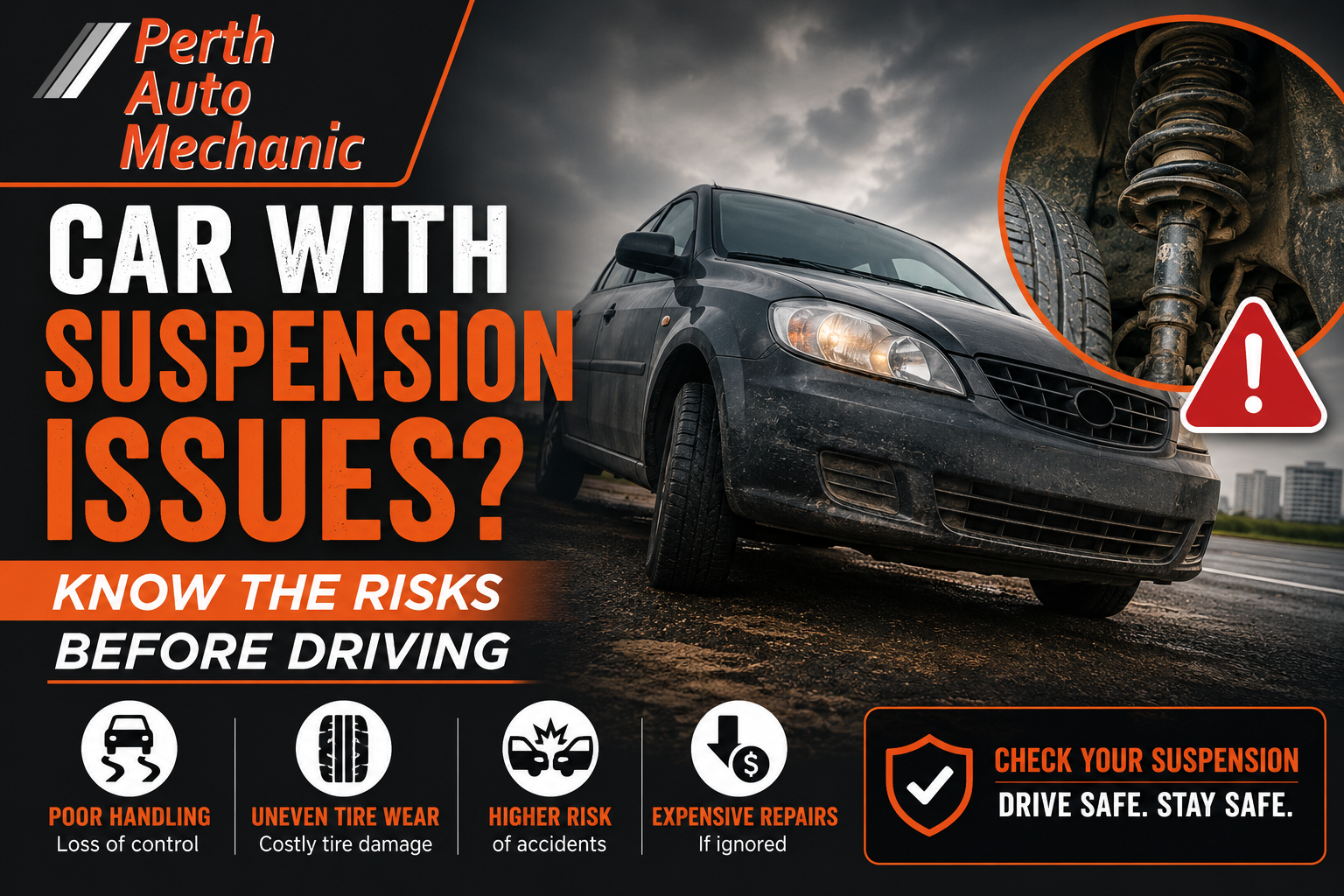
Wondering if it’s safe to keep driving after noticing a clunk, vibration, or sagging suspension? A car with suspension issues can put both your safety and your wallet at risk.
In this blog, we are going to explain exactly when you can drive to a mechanic and when a tow truck is the safer option.
Is It Safe to Drive a Car with Damaged Suspension?
The answer depends on which suspension component has failed. Some parts mainly affect comfort and handling, while others are critical to steering and wheel control.
A broken suspension is not something you can safely ignore. Damaged components can throw off wheel alignment, make the car feel unbalanced, and increase the risk of losing control during braking, cornering, or emergency manoeuvres.
Suspension Safety At a Glance
| Suspension Part | Danger Level | Safe To Drive? |
| Shock Absorbers & Struts | Moderate to High | Short distances only |
| Ball Joints | Critical | No – Tow truck required |
| Control Arm Bushings | Low to Moderate | Limited driving possible |
| Sway Bar End Links | Low | Generally safe |
| Coil Springs | High | Strongly discouraged |
If you’re unsure which component is damaged, drive cautiously and arrange a professional inspection as soon as possible.
Part-by-Part Guide to Damaged Suspension Components
Let’s look at the most common suspension issues, the warning signs to keep an eye on, and whether you should actually be driving the car to the shop or getting it towed.
1. Blown Shock Absorbers & Struts (The Bouncy Castle)
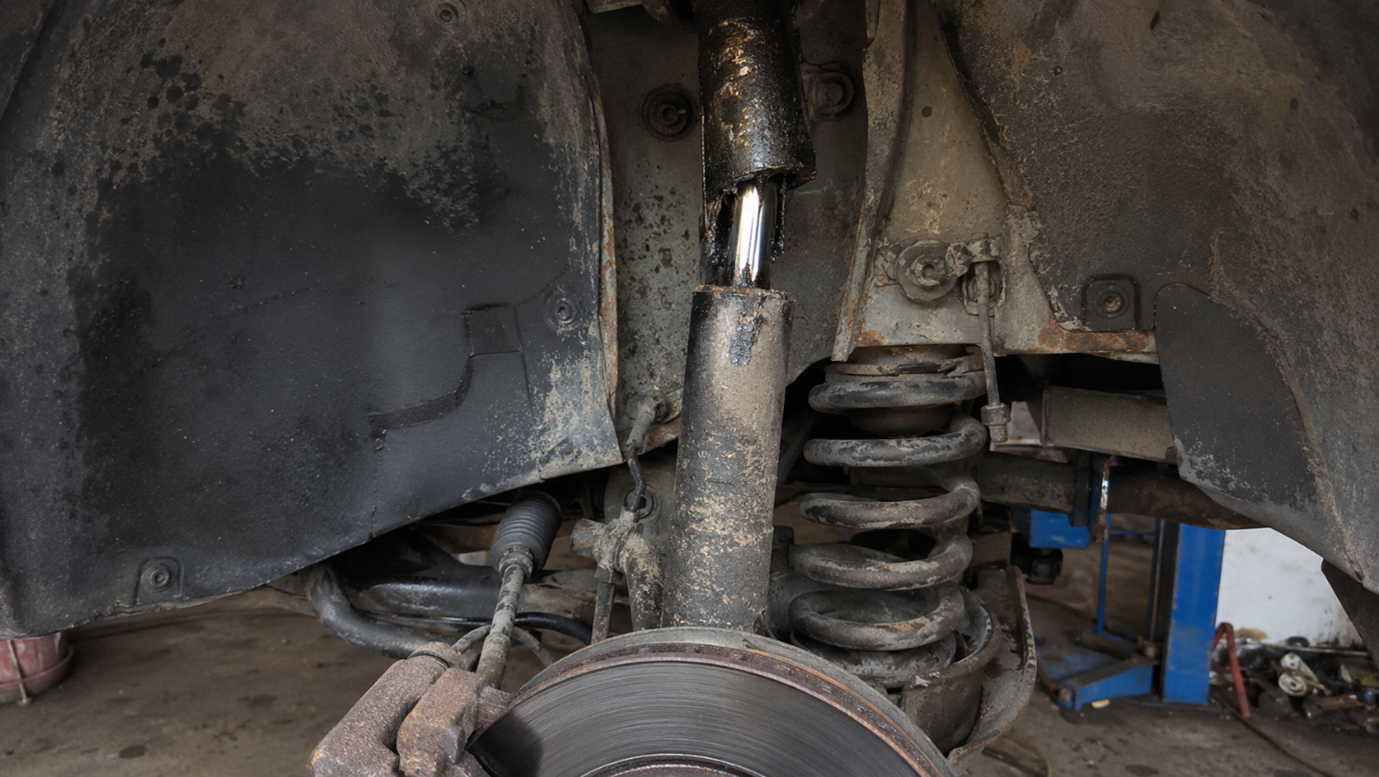
Shock absorbers and struts control spring movement and help keep the tyres in contact with the road. Shocks mainly control bounce, while struts also play a structural role in steering and alignment on many vehicles, which makes strut failure especially serious.
Common Symptoms
- Excessive bouncing after bumps
- Front-end nose-diving during braking
- Fluid leaking from the shock or strut body
- Uneven tyre wear
- Poor handling during cornering
- A floaty or unstable feeling at speed
Danger Level: Moderate for shocks, great for struts
Can You Drive It?
Yes, but only for short distances to a mechanic. Avoid high-speed driving, freeways, towing, and long highway trips. If the vehicle feels unstable or uncontrolled over bumps, do not keep driving it.
The Cost of Ignoring It
Driving with worn or blown shocks can quickly destroy your tyres through a wear pattern called cupping, which creates scalloped tread wear. It also reduces braking efficiency and puts extra strain on the rest of the suspension.
2. Failed Ball Joints (The Catastrophic Snapping Hazard)
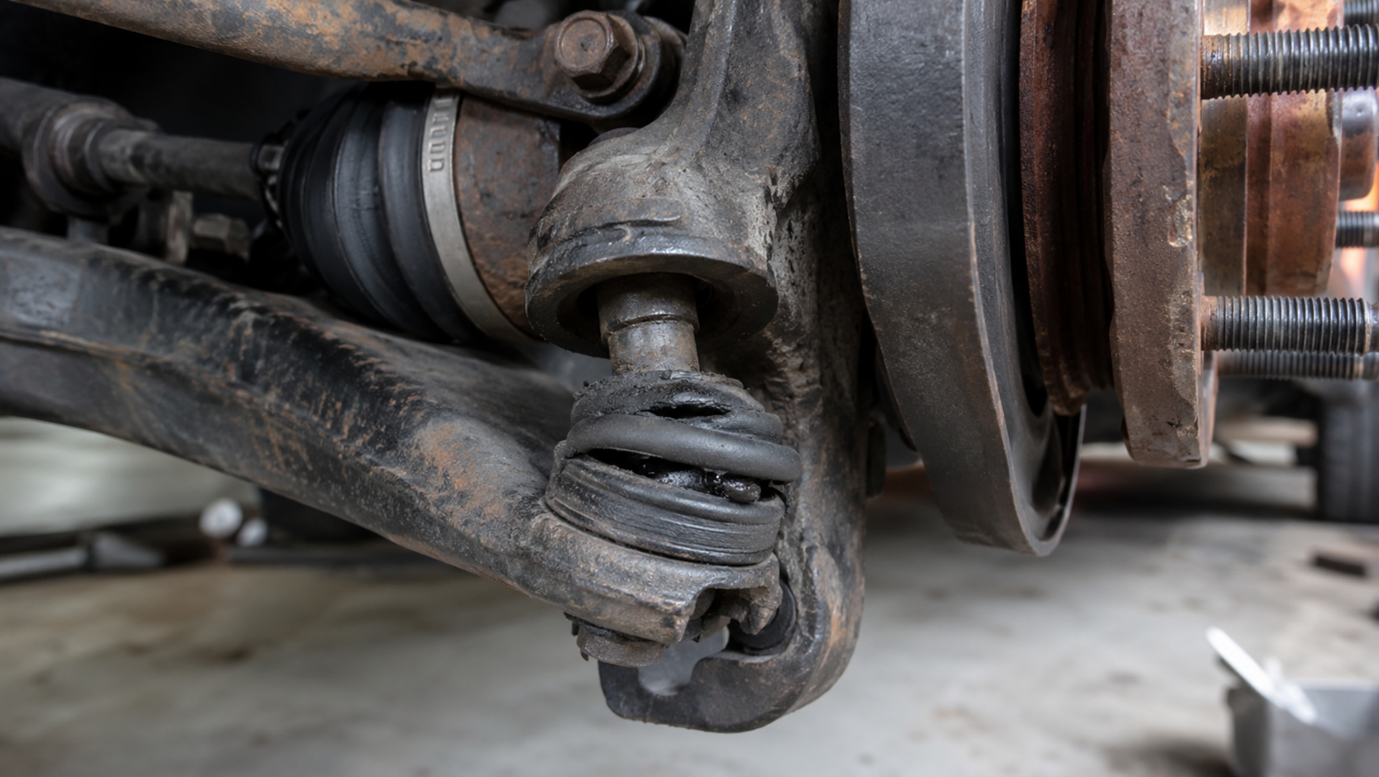
Ball joints connect the steering knuckle to the suspension and allow the wheels to move while steering and absorbing road movement.
Common Symptoms
- Clicking or popping noises when turning
- Steering wheel wandering
- Harsh pull to one side
- Excessive vibration
- Uneven tyre wear
- Clunking noises over bumps
Danger Level: Critical
Can You Drive It?
No. Arrange an immediate tow.
The Cost of Ignoring It
If a ball joint fails completely, the ball can pop out of its socket. The wheel may collapse outward in a sudden failure that can cause immediate loss of steering control and severe damage to the brake & suspension.
3. Worn Control Arm Bushings (The Clunk and Drift)
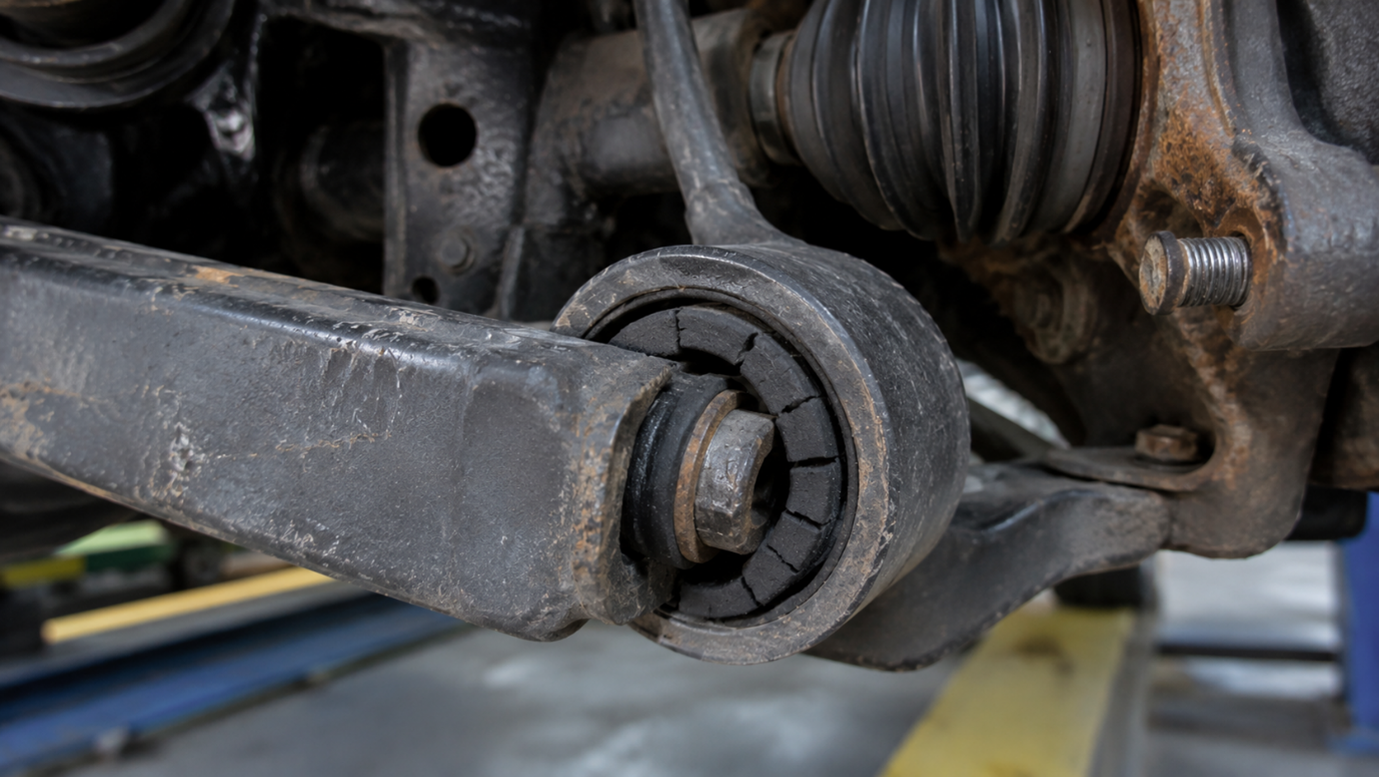
Control arm bushings are rubber or polyurethane mounts that absorb vibration and help maintain suspension alignment.
Common Symptoms
- Metallic clunking over bumps
- Vague, floaty, or delayed steering response
- Vehicle pulling to one side
- Excessive vibration
- Uneven tyre wear
Danger Level: Low to Moderate
Can You Drive It?
In many cases, yes, but only for a short period and only if the car still feels controllable. Repairs should not be delayed because the extra movement can make the vehicle unpredictable during sudden manoeuvres.
The Cost of Ignoring It
Worn bushings allow too much movement in the suspension. That can ruin wheel alignment, increase tyre wear, and place extra stress on ball joints, struts, and other suspension mounting points. In time, the looseness can become much worse.
4. Broken Sway Bar End Links (The Annoying Rattle)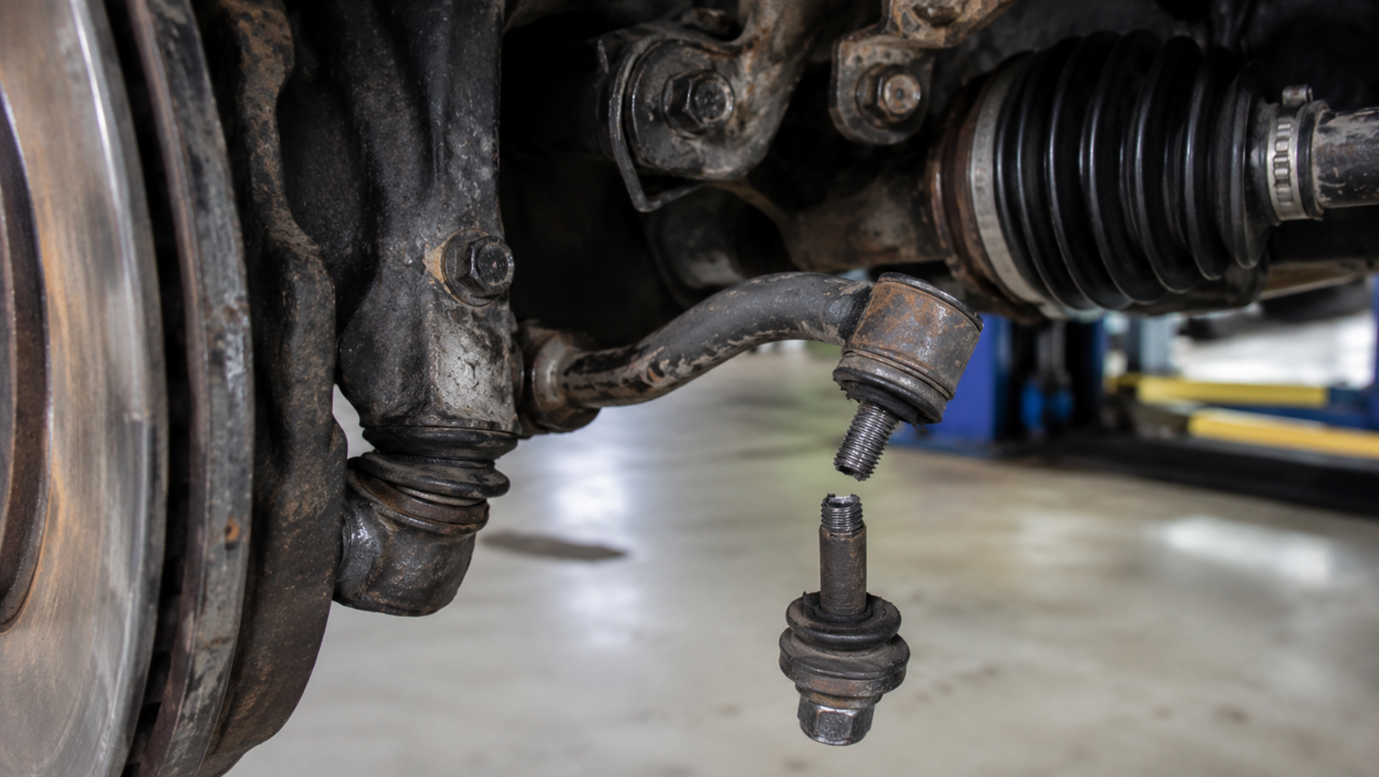
Sway bar links connect the stabiliser bar to the suspension and help reduce body roll when cornering.
Common Symptoms
- Light rattling or knocking noises
- Noises over minor road ripples, gravel, or rough pavement
- Increased body roll in corners
- Reduced cornering confidence
Danger Level: Low
Can You Drive It?
Yes, it is generally safe for daily commuting. Many drivers continue using their vehicles while waiting for repairs, especially if the only symptom is noise.
The Cost of Ignoring It
The vehicle will lean more during cornering and may feel less stable during lane changes or emergency swerving. It is not usually an immediate breakdown risk, but it does reduce handling confidence.
5. Cracked or Snapped Coil Springs (The Sagging Corner)
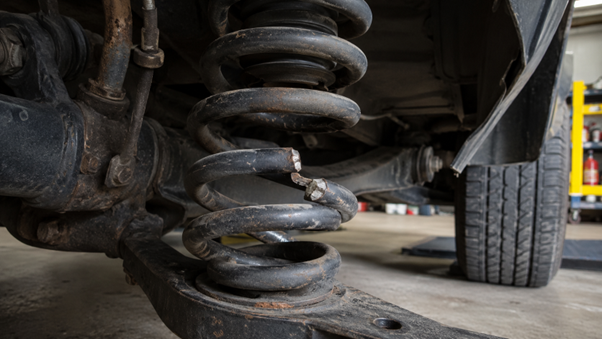
Coil springs support the vehicle’s weight and maintain ride height. Once a spring breaks, the car may sit unevenly, and the suspension geometry can change immediately.
Common Symptoms
- One corner sits lower than the others
- A loud bang when the spring breaks
- Grinding or scraping noises
- Uneven ride height
- Harsh ride quality
- Visible fracture or corrosion on the spring
Danger Level: High
Can You Drive It?
Driving is strongly discouraged. In many cases, it is not safe to continue driving, and depending on local road rules, it may also be illegal to operate a vehicle with a broken spring.
The Cost of Ignoring It
A snapped spring can shift unexpectedly, and the sharp end may contact the tyre sidewall, which can lead to a dangerous blowout at speed. It can also damage shocks, struts, and steering components.
How to Identify Which Suspension Part Is Damaged
The Visual Inspection: What to Look for Under the Wheel Well
A simple visual inspection can often reveal obvious suspension problems.
Look for:
- Wet oil or greasy dirt around shocks or struts
- Cracked, split, dry-rotted, or missing rubber bushings
- Sagging ride height on one corner
- Broken, displaced, or visibly fractured coil springs
- Shiny metal marks showing unwanted contact
- Uneven tyre wear patterns
- Rust or peeling coating on springs that may lead to failure
Always perform inspections on level ground with the vehicle safely parked.
The Bounce Test for Shocks and Struts
You can do a quick bounce test to check whether your dampers may be worn.
- Park on level ground.
- Push down firmly on one corner of the vehicle.
- Release suddenly.
- Observe the movement.
A healthy suspension should rebound once and settle quickly. If the car keeps bouncing more than once or twice, the shocks or struts may be worn out and need replacement.
Don’t Wait for a Breakdown! Have Your Suspension Checked by the Perth Auto Mechanic
If your car is suddenly handling like a bouncy castle, making weird knocking noises, wearing out its tyres unevenly, or sagging hard on one corner, that’s your cue to get it looked at. Leaving those warning signs alone means you’re actively risking your steering, braking, and overall control on the road.
Our team at Perth Auto Mechanic uses advanced diagnostic tools to get right to the bottom of whatever is causing the suspension issue. Whether it turns out to be worn shocks, bad bushings, a failed ball joint, or a snapped spring, we’ll track down the exact culprit so you can get back to driving with total confidence.
Why book an inspection early?
✔ Identify safety hazards before they lead to a breakdown or loss of control
✔ Stop unnecessary tyre wear and alignment concerns
✔ Protect other suspension and steering components from damage
✔ Get straightforward, expert advice on what requires immediate care and what can wait
If your car isn’t driving as smoothly, comfortably or predictably as it used to, schedule a professional suspension examination and fix the problem before a small repair turns into an expensive, large repair.
FAQs
Will a damaged suspension ruin my tyres?
Yes. Damaged suspension components often lead to poor wheel alignment and uneven tyre contact with the road. That can cause rapid and expensive wear, including cupping, feathering, and bald spots.
Can a car with bad suspension cause a car to pull to one side?
Yes. Worn bushings, damaged springs, failed ball joints, bent control arms, and alignment issues can all cause the vehicle to drift or pull while driving.
How does suspension damage affect braking?
Worn suspension increases weight transfer during braking. The front end can dip more than it should, the rear tyres can lose grip, and the car may take longer to stop. In some cases, tyre bounce can reduce braking contact momentarily and make the vehicle feel unstable.
How much does it cost to fix a car suspension?
Car suspension replacement costs vary depending on the fault and vehicle type.
- Sway bar links: $100–$300
- Bushings: $200–$800
- Ball joints: $250–$1,000+
- Shock absorbers or struts: $500–$2,000+
- Coil springs: $400–$1,500+
Luxury vehicles and 4WDs can cost significantly more.