7 Reasons Why Your Car Shakes When Braking And How To Fix Them?
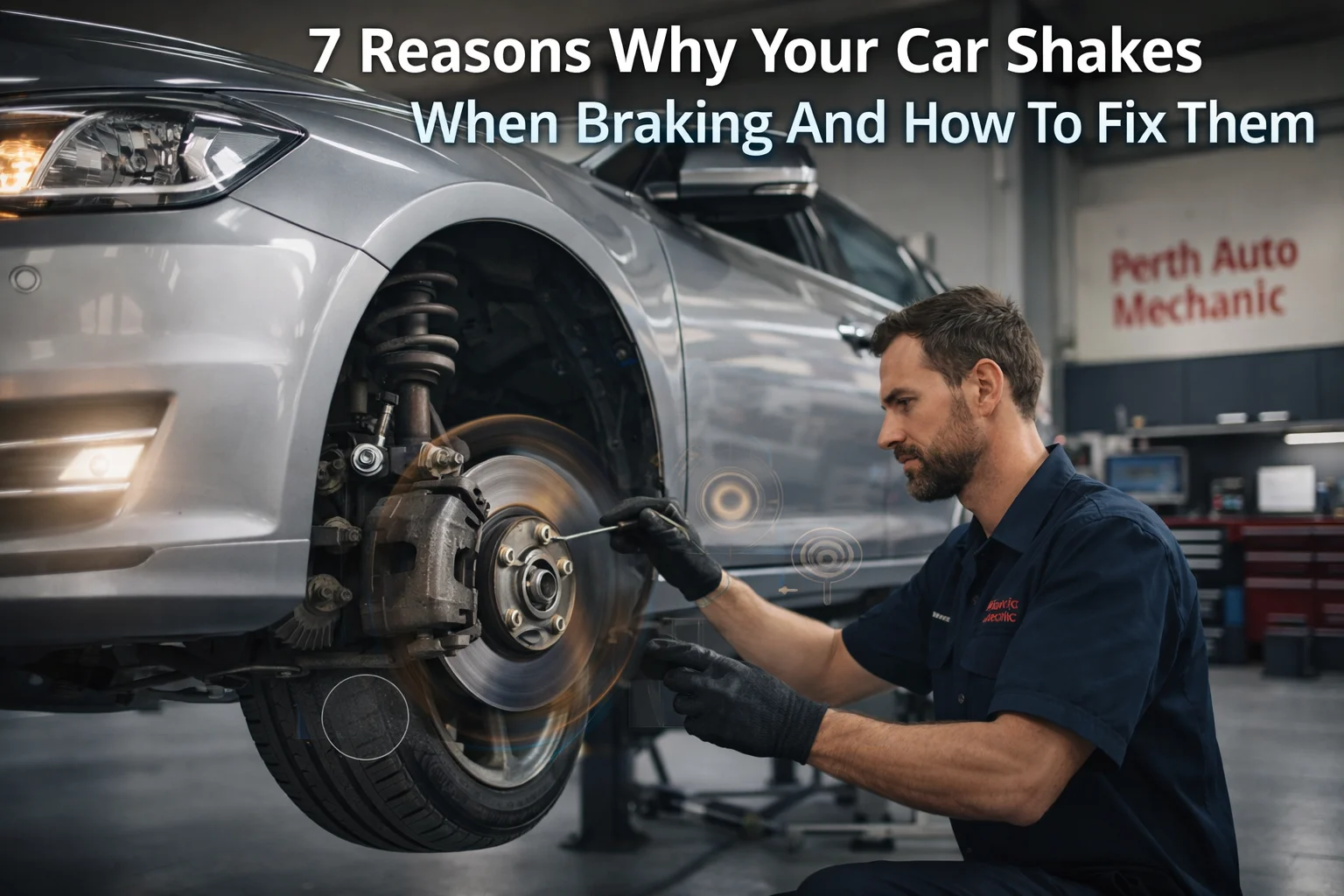
A car shaking when braking can reduce stopping power, increase the risks of accidents, lead to potential loss of life, and cause serious damage to the vehicle. It’s a warning sign that needs immediate attention.
If you are also worried and want to protect your loved ones and your vehicle, there’s no need to worry.
In this blog post, we’ll explain why fixing a car shaking when braking is essential, the causes behind it, how you can fix them, and some expert practical tips to get started.
What does a car tremble when braking mean, and why does it matter?
A brake system in a car is an essential element as it facilitates safety and reduce risk of accidents. If your car trembles while braking, it is an indication that its brake system is not functioning properly.
Experiencing a braking problem in the middle of the road is a nightmare for any driver. Fixing these issues beforehand will not only protect your vehicle from further damage but also significantly reduce accidental risks.
7 Reasons Why Your Car Shakes When Braking
If you think a low level of brake fluid is the only problem with the brake system, then you may be wrong. Several other issues can also affect your braking performance.
1- Spongy Brake Pedals
Too soft and spongy brake pads are a warning sign that the brake system is not functioning properly. So, instead of being firm, they become too soft or spongy. Sometimes it even sinks so much that it starts to touch the car floor, even with little pressure.
Cause
- Air trapped in the brake line
- Leaks in the brake line
- Leaking disc brake calipers
- Damaged master cylinder
- Leaking wheel cylinder
How To Fix It?
To quickly fix the issue of spongy brake pedals, you can remove air from the brake line, repair the damaged brake line, fill the reservoir with hydraulic fluid, replace old brake fluid, and repair the damaged master cylinder if required.
2- Uneven Thickness Of Brake Pads
The warped brake pads are the most common issue with the brake system in Perth, especially in summer due to the hot climate. Keep in mind the warp refers to the change in shape of the brake pad’s disc and not the pads.
When the rotor surface becomes uneven or distorted, it prevents the brake pads from making smooth, consistent contact. So, even when you are applying a little pressure or slowing down a car while braking, you produce a noticeable vibration.
Cause
Heat is the major cause that results in the bending or twisting of the brake pads, which causes the pads to wear down. It also causes
- Uneven wear or thickness variation
- Distortion or warping of the rotor surface
- Reduced braking efficiency and vibrations
How To Fix It?
Replace brake pads: There is no option except to change brake pads. It is the cost-effective solution in the long-run.
Resurfacing: There is a tool called a brake lathe, which is used to resurface (removing uneven parts) the brake rotor. Note that this will only provide a temporary solution, as now, due to less metal, it is more prone to heating.
3- Faulty Calipers
The faulty caliper is a damaged component of a braking system that fails to release pressure while braking.
Cause
Brake calipers play a key role in pressing the brake pads against the rotor. When they become faulty, due to sticking pistons, uneven wear, or fluid leaks, heat buildup, or lack of maintainance, they can apply uneven pressure. This leads to vibrations, pulling to one side, or shaking when braking.
How To Fix It?
Inspect the calipers for leaks, damage, or sticking parts. Clean and lubricate them if possible, or replace leaking calipers for smooth and safe braking performance.
4- Suspension or Steering Component Wear
The vehicle can also shake while braking if its suspension components, such as shocks, ball joints, etc., are not maintained and damaged.
Causes
Worn suspension or steering parts, such as tie rods, control arm bushings, or shock absorbers, can cause your car to shake when braking. These components help keep your vehicle stable, and when they wear out, vibrations become more noticeable.
How to fix it?
Have a professional inspect and replace worn components. Scheduling regular suspension checks and wheel alignment will restore stability and prevent further braking vibrations.
Change your suspension components at Perth Auto Mechanic, and drive smoothly.
5- Low Volume Of Brake Fluid
The brake fluid level should be at its maximum level or at least at the minimum safe level to avoid friction while applying brake. The low volume of brake fluid means your vehicle is at risk.
Cause
There is not a single cause of low brake fluid level, even though you have filled it to its fullest. Some causes are brake fluid leaks, worn brake pads, or damaged rubber hoses.
How To Fix It?
The fixing is as simple: replace worn-out brake pads, repair the brake pads, or flush the old brake fluid.
6- Loose Wheel Nuts
Not properly tightening the wheel nuts can also cause your car to tremble when braking. Besides that, over time, vibrations from driving can also gradually loosen them, especially if they were not secured correctly.
Causes
Loose wheel nuts are often caused by improper tightening, worn threads, or failing to recheck them after a wheel change.
How to Fix It
Tighten the wheel nuts using a wrench according to the manufacturer’s recommendation. Inspect for damaged studs or threads and replace if necessary. Regularly check wheel nuts, especially after tire changes, to ensure safe driving.
7- Wheel Damage Or Tire Issues
Low tire pressure also causes your vehicle to shake while braking. You will experience the car trembling when braking while driving a car.
Cause
This sounds odd, but besides low tire pressure and puncture, the brake system can also cause damage to the tire. This happens when the brake system transfers its heat to the tire, damaging the rubber seal present between the tire and the metal rim.
How To Fix It?
To fix and avoid low tire pressure, repair the damaged brake system, and identify the leaks in the tire and fix it.
Expert’s Tips To Avoid Car Shudder When Braking
- Inspect and replace worn brake pads and resurface or replace rotors.
- Ensure parts like shocks, struts, and bushings are in good condition.
- Make sure tires are correctly fitted, balanced, and aligned.
- Regularly check and refill the brake fluid reservoir.
- Avoid harsh braking and sudden stops to reduce heat buildup.
Conclusion
A car that shakes when braking is more than just a minor issue; it’s a warning that your safety and vehicle are at risk. From warped rotors to worn suspension parts, early detection and repair can prevent costly damage and accidents.
Don’t ignore the signs. Book a professional brake inspection with expert mechanics in Perth today to ensure smooth, safe, and reliable braking every time you hit the road.
FAQ
1- How to get rid of brake shudder?
Answer: The only way to get rid of brake shudder is by cleaning or resurfacing the brake pads. Besides that, if the former one does not work, the only option left is to change the brake pads and rotor.
2- Is it safe to drive my car if it shakes when I brake?
Answer: Although it is not recommended to drive a car if your car is shaking with braking while you are driving, it is safe to drive for the moment. But it is necessary to get a professional checkup done before it gets worse.
3- What would cause a car to vibrate when braking?
Answer: A car that shakes when braking is most commonly caused by warped brake rotors, which create uneven surfaces for brake pads to grip, causing the pedal or steering wheel to vibrate. Other causes include worn brake pads, stuck calipers, unbalanced tires, or suspension issues. Immediate inspection is recommended to ensure safety.